
Backed by 90 Days Guarantee
Canadian Family-Owned Business
Trucx Brings Professional Hino DPF Cleaning Directly to Your Location
Most diesel manufacturers call their particulate filter a DPF, but Hino uses the term DPR, which stands for Diesel Particulate Reduction. While it serves the same purpose of capturing soot, Hino’s regeneration strategy is different.
The system relies on an Aftertreatment Fuel Injector (ATFI) to inject fuel directly into the exhaust stream, generating the heat needed to burn off soot.
However, this design poses unique maintenance challenges that can lead to system failure, especially when service providers focus solely on the filter itself.
Key reasons for DPR system failure include:
Because these components are often overlooked during maintenance, many Hino trucks experience recurring emissions faults. Professional Hino DPF cleaning must address the entire system, not just the filter, to ensure successful regeneration and long-term performance.
Common warning signs of a failing DPR system include:

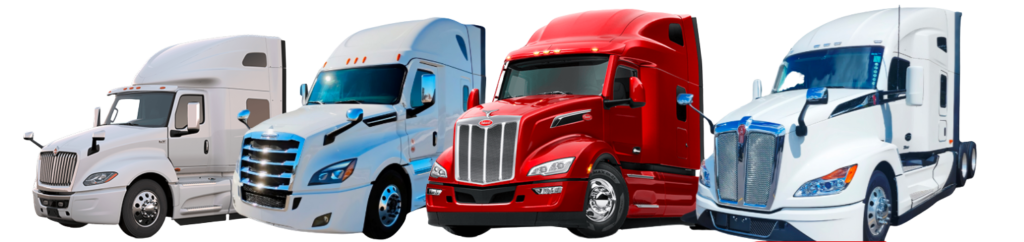
Most Hino trucks operate in challenging environments that strain their emissions systems, leading to more frequent service intervals compared to highway tractors. These demanding conditions often prevent exhaust temperatures from remaining high enough for passive regeneration, causing soot to accumulate.
When these cycles fail, often due to system contamination or blockages, it can lead to significant disruptions and require professional Hino DPF cleaning.
Unlike highway trucks that maintain stable speeds, Hino vehicles are typically used for:
These stop-start operations interrupt the heat cycle necessary to manage soot, accelerating accumulation and increasing the risk of failed regenerations.
The biggest difference between Trucx and a generic DPF cleaning provider is that we treat the entire regeneration system, not just the filter.
Every Hino DPF cleaning begins with a live Hino DX II diagnostic session. Technicians capture key operating data before any service work starts, including:
Once diagnostics are complete, components are serviced in the proper order.
After service, technicians perform:
Every customer receives documented before-and-after diagnostic results. If measurable improvement cannot be demonstrated, there is no charge for the service. We are available for service in Brampton, Toronto, Mississauga, and across Canada.
Keep your Hino where it works. Trucx arrives with Hino DX II diagnostics, services the ATFI, restores the DPR system, completes the required soot reset procedures, and documents the results before leaving your site.
Three-hour turnaround. Free diagnostic. Warranty-backed service.
Trucx performs Hino DPF cleaning across the full Hino lineup operating throughout Canada.
Hino 155, Hino 195, Hino 195h Hybrid
Hino 238, Hino 258LP
Hino 268, Hino 268A
Hino 338, Hino 358
Heavy-duty Hino trucks equipped with full DOC, DPR, and SCR emissions systems.
Many Hino operators manage mixed fleets. Trucx also services the following equipment using the same mobile process that minimizes downtime and eliminates transportation costs.
DPR stands for Diesel Particulate Reduction. It performs the same particle-trapping function as a traditional DPF but uses Hino’s dedicated Aftertreatment Fuel Injector to support active regeneration.
The amber light indicates the system requires regeneration. The red light signals a more serious restriction level and often accompanies active engine derate conditions that require immediate attention.
The ATFI provides the fuel required to generate regeneration temperatures. When carbon deposits restrict its operation, regeneration cycles become less effective, and soot accumulates more rapidly.
Yes. After physical cleaning is completed, Hino DX II must be used to reset soot parameters, verify regeneration performance, and confirm proper system operation.
Absolutely. Trucx provides mobile Hino DPF cleaning at distribution centers, fleet yards, warehouses, parking facilities, and route locations across Canada.
In most situations, yes. DPR replacement costs can range from several thousand dollars upward depending on model and configuration. Cleaning restores performance at a fraction of replacement cost when components remain serviceable.